What It’s Like To Own A Bayfront Condo In La Paz
February 19, 2026
February 19, 2026
Imagine waking to a glassy bay, stepping out for coffee on your terrace, then strolling the malecón for a sunrise walk. Owning a bayfront condo in La Paz feels like living at a boutique resort, with water in constant view and the city at your feet. In this guide, you will see what your days actually look like, what the seasons bring, and what to know about fees, trusts, insurance, and building details before you buy. Let’s dive in.
La Paz’s waterfront runs along a long, walkable malecón where you can jog at sunrise, bike at dusk, or meet friends for dinner. Cafés and seafood spots cluster along the bay, and small boats shuttle guests to island beaches for snorkeling or fishing. The feel is low rise, friendly, and coastal, which is a big reason owners choose this corridor.
Start with coffee on your terrace while the bay warms up. Late morning, you might paddleboard or head to Playa El Caimancito in the La Concha area for an easy swim. Afternoons are for errands, a quick spa visit, or quiet time at home. Evenings pull you back outside for sunset on the malecón and a relaxed dinner on the waterfront.
If being on the water is your thing, the bayfront makes it simple. Marinas such as Marina Cortez and Marina La Paz put slip options and day charters within minutes, and many owners love the easy access to Isla Espíritu Santo, sea lion colonies, and fishing grounds. For the boating landscape and entry basics, you can scan this practical overview of Mexico’s marinas and procedures in the guide to visiting by private boat, which highlights the La Paz area’s infrastructure in a marina and private-boat guide.
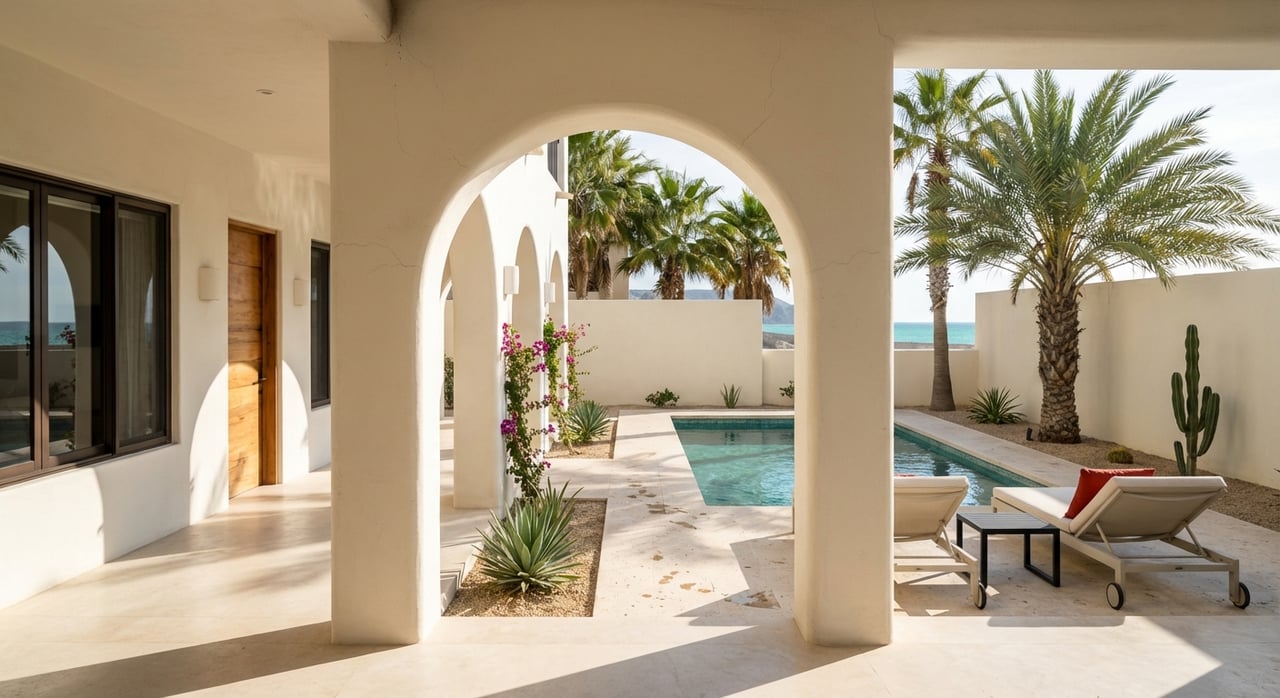
Bayfront condos in La Paz skew low to mid rise, with large terraces, shared pools and jacuzzis, and concierge or 24-hour services. Many read like boutique hotels, which is ideal if you want to lock your door and leave for months with peace of mind. As a lifestyle example, developments marketed as Playa de La Paz showcase resort-level finishes, hotel-style amenities, and bay-facing outdoor spaces that set the tone for this corridor as seen in project listings.
Beyond finishes, practical systems make daily life smoother. Many newer buildings and homes in La Paz use cisterns or tinacos for water storage, and some communities add backup generators for common areas. Ask the HOA or manager about water storage, generator coverage, and any building-wide maintenance plans so you know how the property performs if utilities are interrupted.
La Paz enjoys an arid to semiarid climate with long, sunny stretches most of the year. Winters are mild, often with daytime highs in the low to mid 70s °F, and summers are hot, with daytime highs frequently in the 90s °F. Rainfall is low and tends to arrive in late summer or early fall, which helps you plan landscaping and outdoor time based on climate averages.
Summer nights often get a natural assist from the local Coromuel breezes that flow into the bay. Many residents find these winds make evenings more comfortable for open windows and terrace dinners. It is one of those small, place-specific details that shape everyday living.
La Paz’s marine seasons matter for owners who love the water. Whale shark tours and big-marine encounters concentrate roughly from October through April or May, and winter is prime for broader whale watching. Snorkeling and island trips happen much of the year, so you can plan your condo use around your favorite experiences with local operators’ seasonal notes.
The Eastern Pacific hurricane season runs from May 15 to November 30, with late summer and early fall as the peak. In practical terms, you should ask how your building prepares, including terrace door and glass specs, drainage, HOA emergency procedures, and post-storm inspections. Keep insurance updated, and create a short owner checklist for pre-storm prep and post-storm follow up using official season dates from NOAA.
Buying on the coast comes with a few structures and costs that are important to understand early. If you are a foreign buyer, La Paz is inside Mexico’s restricted coastal zone, which means you will typically acquire through a bank trust known as a fideicomiso. The trust gives you the rights to use, lease, sell, mortgage, and inherit the property, while the bank holds legal title with authorization from the Foreign Affairs Ministry. Ask the seller to provide trust documents and the SRE permit during due diligence per the SRE’s guidance.
Banks and notaries charge for trust setup and annual maintenance, and exact fees vary by institution and complexity. Treat these as ongoing carrying costs and request a written quote from your chosen bank to set clear expectations as explained by BBVA.
Plan for closing costs that include transfer tax, notary fees, appraisal, registration, and other items. In Baja California Sur, local guides often estimate transfer tax in the low single digits of the sale price, commonly around 2 to 3 percent, but your notario will provide an official line-item estimate before signing based on ISAI overviews. Add trust setup and the first year of annual trust fees to your budget, plus prorations and utility deposits as applicable.
Waterfront buildings with pools, concierge services, and robust common areas usually carry higher monthly HOA fees than smaller urban condos. Review the last 12 months of HOA minutes and budgets, check for any special assessments, and confirm the policy on short-term rentals. Most buildings have a master insurance policy for the structure, and unit owners typically add contents and personal liability coverage; catastrophic storm coverage is available through Mexican insurers, so compare limits and exclusions to match your risk tolerance.
If you plan to rent your condo, verify short-term rental rules in the HOA bylaws and ask about city requirements. Also confirm how beachfront access is managed. Mexican maritime-terrestrial law creates a public coastal band of about 20 meters, and federal authorities regulate concessions and access, which means claims of private beaches are limited by law as outlined in federal commentary on ZOFEMAT.
Baja California Sur welcomes many visitors and second-home owners each year, and like any international destination, it is wise to practice routine awareness. The U.S. Department of State advises increased caution for Mexico in general, so take common-sense steps such as using regulated transport at night, sharing itinerary details with trusted contacts, and staying informed about local guidance per the travel-advisory overview.
If you want daily contact with the water, easy walks to dinner, and resort-style services that make second-home ownership simple, the bayfront is a strong fit. Expect a true indoor-outdoor lifestyle with long, sunny seasons, whale shark and whale-watching windows in fall and winter, and a hurricane season that rewards good planning. Ownership is straightforward when you understand the fideicomiso structure, budget trust and closing costs, and choose a well-managed HOA with clear reserves and policies.
When you are ready to explore specific buildings and compare floor plans, services, and HOA health, you deserve a high-touch, bilingual advisor who knows the corridor. Schedule a private consultation with Kitsya & Bruno Bourlon to see curated bayfront options and get clear, step-by-step guidance from search to close.
Stay up to date on the latest real estate trends.








After years in the fast-paced luxury market of Mexico City, this dynamic team now helps clients embrace a new life in La Paz—one of tranquility, opportunity, and beauty.