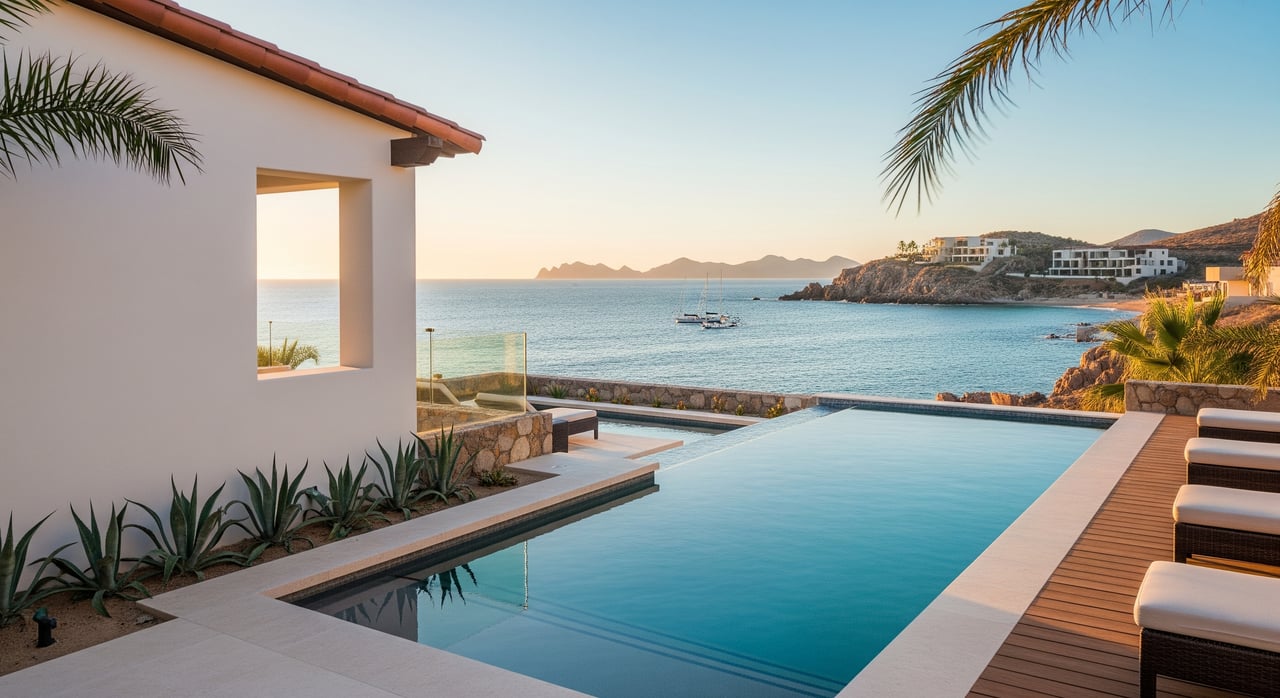
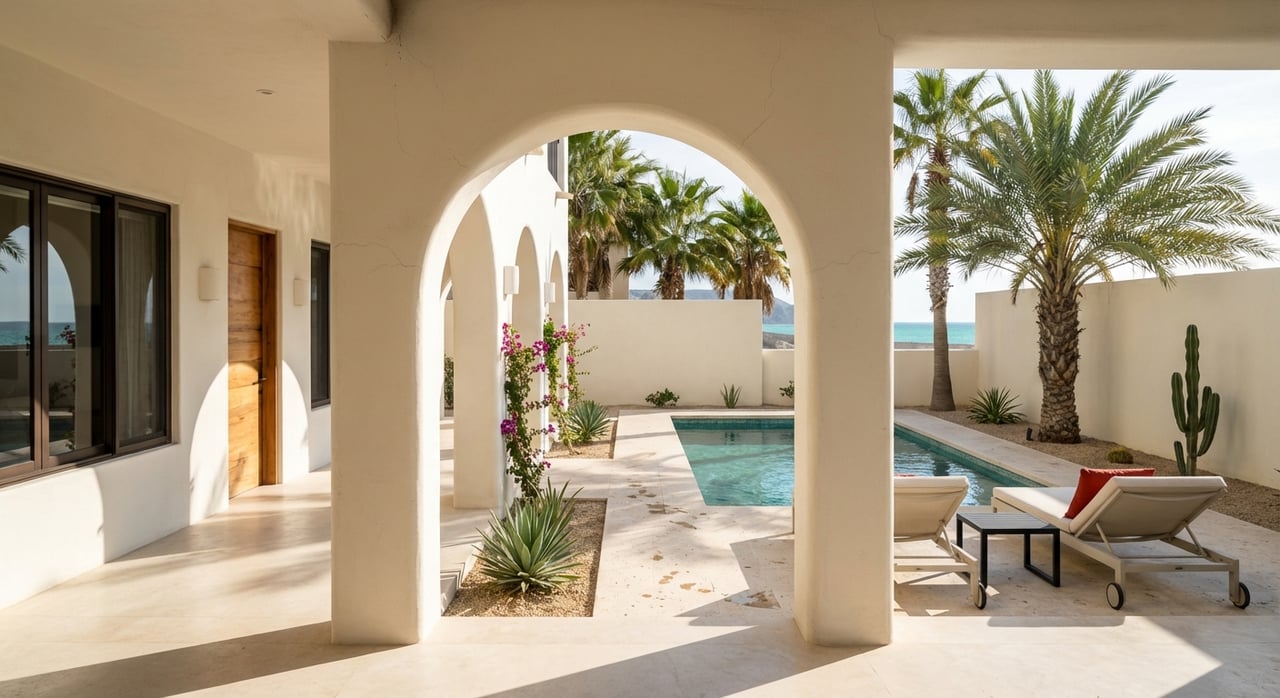
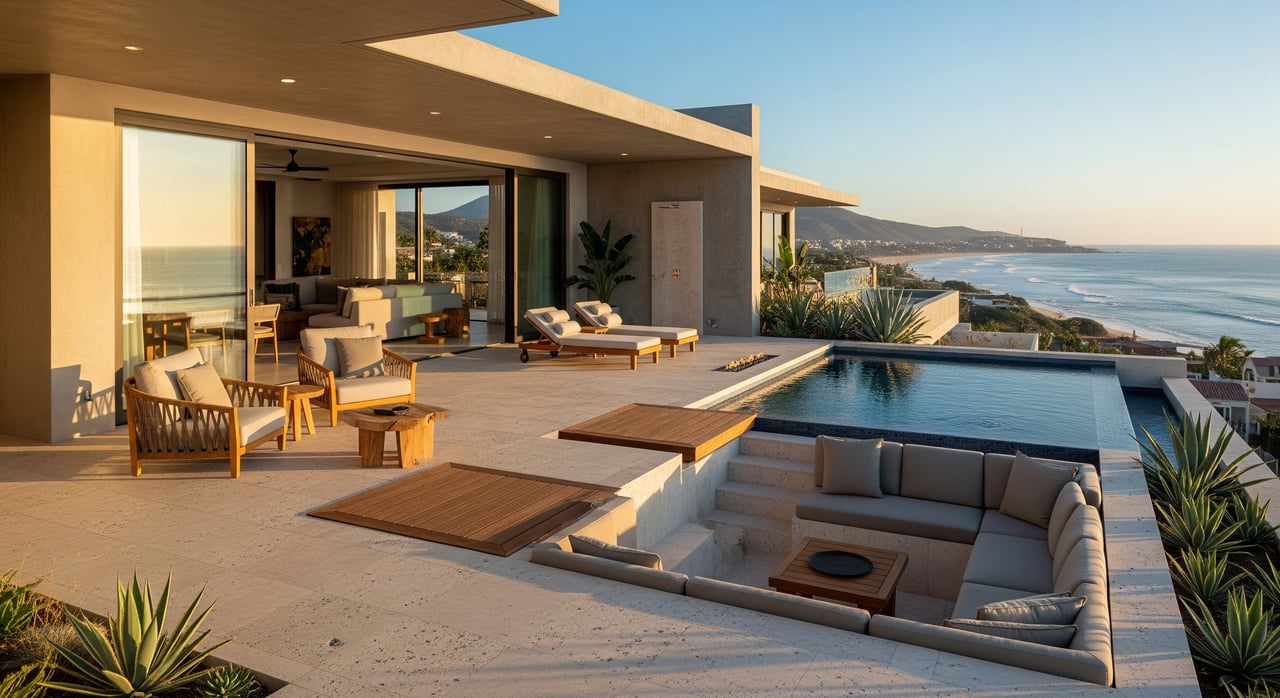
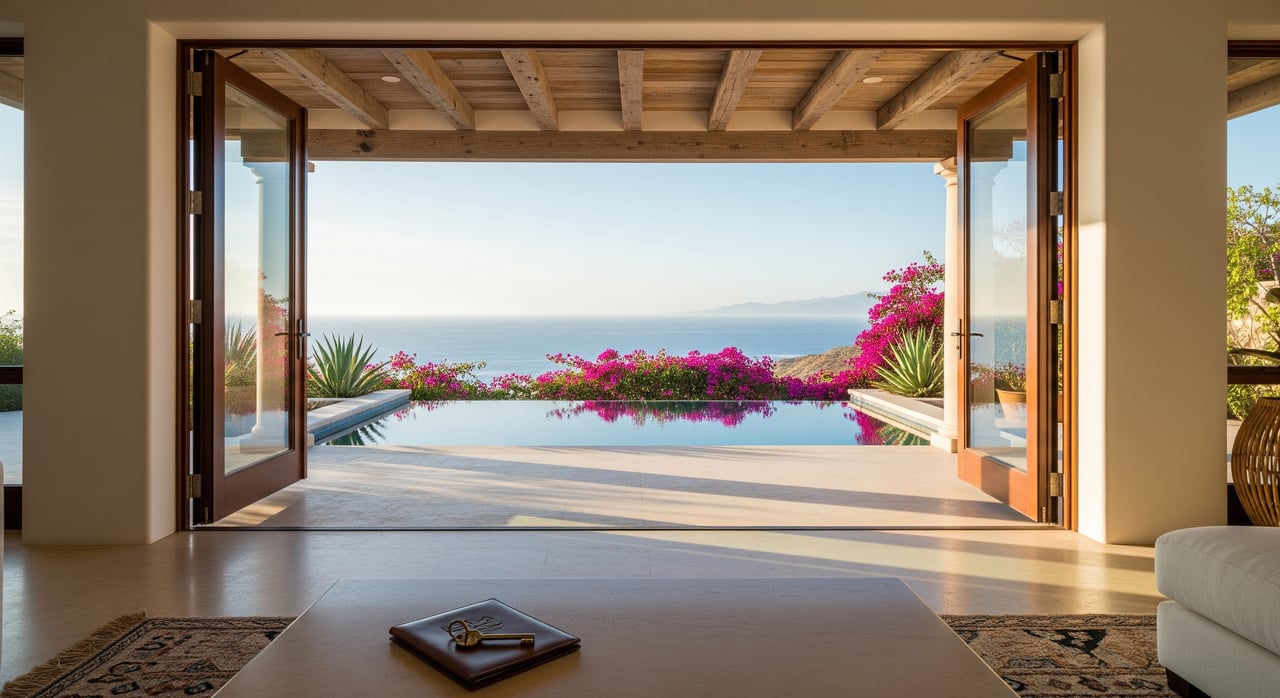
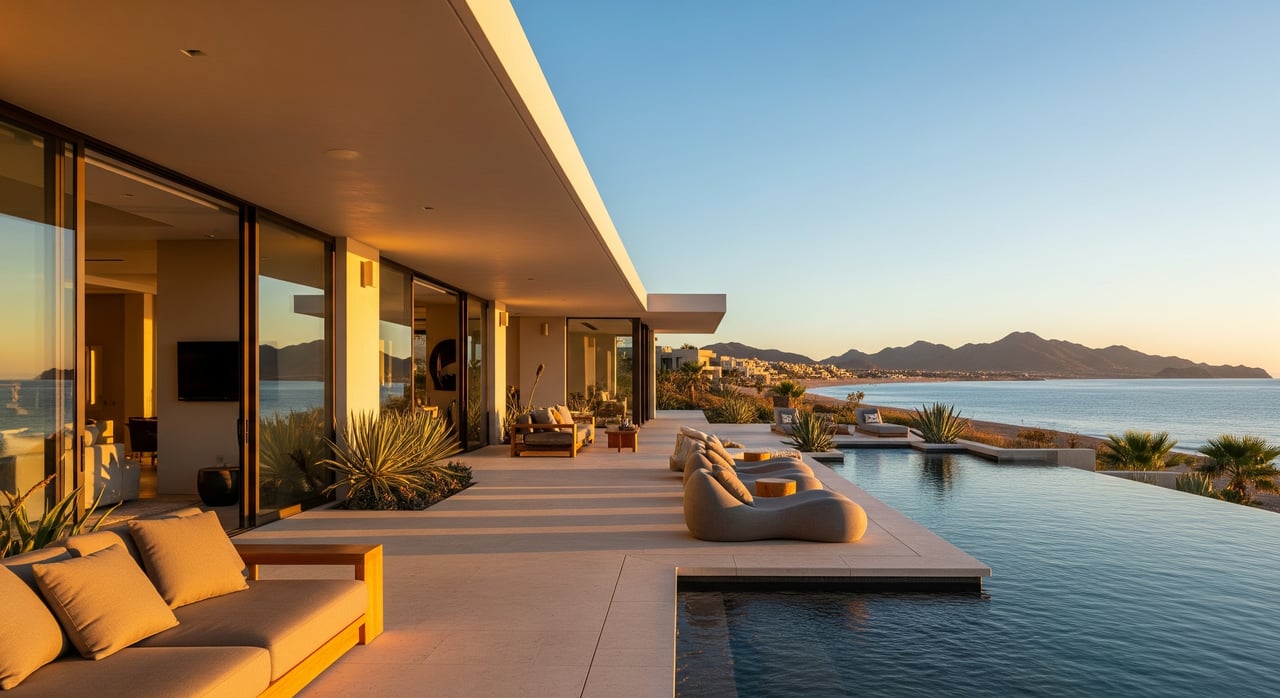
Thinking about a place in La Ventana but not sure if a condo or a villa fits your lifestyle? You are not alone. In a town built around wind, launch access, storage, and maintenance matter as much as views. In this guide, you will learn how each option works for wind‑sports living, what to expect with HOAs and maintenance, how rentals perform through the seasons, and a simple framework to choose with confidence. Let’s dive in.
La Ventana at a glance
La Ventana is a small Sea of Cortez community known worldwide for windsurfing and kitesurfing. The strongest, most consistent winds typically arrive in the cooler months, roughly late fall through early spring. Summer tends to be calmer, which shapes how you will use and rent your property.
Like many Baja towns, services can vary by location. Expect occasional power outages, variable municipal water, and common use of cisterns, tanks, and pumps. Internet has improved across the area, but fiber is not universal. Tropical storms can affect the region in late summer and autumn, so building elevation, drainage, and construction quality are important.
Condo vs villa: the quick view
If you want low maintenance and walk‑to‑launch convenience, a condo can be the simplest path. If you want room for lots of gear, privacy, and customization, a villa offers more space and control. Use the themes below to compare what matters most to you.
HOA scope and fees
- Condos: Most condominiums have an HOA that handles exterior maintenance, landscaping, pools, shared utilities for lighting, garbage, and sometimes water systems and security. This can reduce your to‑do list, especially if you visit seasonally. Review rules and the reserve fund, and ask about any planned special assessments.
- Villas: Standalone villas on private lots usually require you to manage exterior work, pools, landscaping, septic, and more. If the villa sits inside a gated community, an HOA may cover security and roads with lower or narrower fees. You get more freedom to modify, but you will coordinate more vendors.
Maintenance workload
- Condos: Day‑to‑day upkeep is lighter. You handle interior work and any appliance replacements. Many seasonal owners use property managers and rely on HOA staff for smooth turnovers.
- Villas: Expect broader responsibilities, such as yard work, pool service, exterior cleaning, and systems like septic or wells. A property manager can create a lock‑and‑leave setup, but costs will be higher than a similar condo.
Storage and gear handling
- Condos: Private storage can be limited. Some buildings offer shared rooms or lockers, often with size limits or fees. Ground‑floor units and complexes with garages or bodegas help. HOA rules may limit visible gear on patios.
- Villas: You can usually create dedicated storage, racks, rinse zones, and workshops. Garages, sheds, and lockable rooms make it easier to manage multiple boards, sails, kites, and trailers securely.
Rentals and management
- Condos: Peak wind season brings strong demand, especially close to launch points and services. Complexes with on‑site staff simplify cleanings and guest support. Check rental rules, minimum stays, and registration procedures, since some condos limit short‑term rentals.
- Villas: Larger groups and families may pay more for private pools and outdoor space, which can lift revenue. Operating costs also rise with pools, landscaping, and utilities. You will likely coordinate more service providers for turnovers and maintenance.
Beach access and daily convenience
- Near‑beach condos: Walkable launch access, faster sessions, and strong rental appeal. Storage can be tighter and HOA rules stricter.
- View villas: More privacy, bigger lots, and easier storage, but you may drive or walk farther to launch. Consider parking, stairs, and the route down to the shore.
- Across the bay or in coves: Launch characteristics can vary by wind angle and water depth. Always test the last mile, from front door to shoreline, with your gear.
Utilities and resilience
- Condos: Shared systems like cisterns or backup generators may help during outages if the HOA maintains them well. Restoration timelines vary by complex.
- Villas: You set your own resilience plan. Generators, solar and battery, and larger cisterns increase independence but require upfront investment and ongoing care.
Security and privacy
- Condos: Gated access and on‑site staff can enhance security, with more neighbor activity and shared walls.
- Villas: More privacy and control over access, with the potential need for fencing, gates, and alarm systems.
A decision framework that works
Define your priorities
Clarify your top goals before you tour properties:
- Primary use: daily wind season user, occasional visitor, full‑time remote worker, or rental‑focused owner.
- Storage: how much gear, trailer or vehicle needs, and workshop space.
- Maintenance: hands‑on involvement or low‑touch management.
- Access: immediate launch proximity versus privacy, views, and lot size.
- Rentals: frequent short‑term rentals, occasional renting, or no rentals.
Quick recommendations
- Prioritize low upkeep and walk‑to‑launch access: consider a well‑managed condo near the bay with on‑site staff and clear rental rules.
- Prioritize storage, customization, and hosting: lean toward a villa with a garage or dedicated gear room, rinse stations, and trailer parking.
- Want privacy with some shared services: look at villas in gated communities that include security and road maintenance.
Key questions for HOAs and sellers
Ask these before you write an offer:
- All properties:
- What are the rules for short‑term rentals, visible gear, and exterior changes?
- Are outdoor showers, racks, patios, or fencing allowed?
- Can you review recent financials, meeting minutes, and reserve fund status?
- Typical utility bills by season, and any outage patterns?
- Estimated annual property tax and insurance for this home?
- Condos:
- Is there dedicated storage or a communal locker, and what are the dimensions and costs?
- Who manages guest check‑in and cleaning, and what are the fees?
- Any upcoming common‑area projects that might trigger assessments?
- Villas:
- Typical monthly costs for pool, septic or well service, landscaping, and security.
- Permit documentation for the lot and structure, and status of septic and well systems.
- Shared easements or access roads that affect launch and parking.
What to check on site
- Walk the route from the door to your launch spot with your gear. Note distance, stairs, surface type, shade, and parking.
- Measure storage spaces, garage clearance, and gate width for trailers. Identify a rinse and drying area.
- Test water pressure and hot water. Confirm water source, such as municipal, well, or cistern.
- Run an internet speed test at different times of day. Check cellular coverage.
- Request HOA rules and any rental agreements, plus sample rental performance if available.
- Visit during wind season to observe activity, noise, and launch crowding. Visit off season to assess maintenance and infrastructure.
Ownership and due diligence in Mexico
Foreign ownership basics
La Ventana sits in Mexico’s restricted zone for coastal property. Foreign buyers typically purchase through a bank trust, known as a fideicomiso, or a Mexican corporation. A notario público oversees the closing. Work with a bilingual legal advisor experienced in Baja California Sur real estate to confirm the correct structure and documents.
Rentals and local rules
Short‑term rental policies can be set by the HOA and by municipal regulations. Verify the condominium’s rules for leasing and any limits on frequency. A local property manager can guide you on licensing and tax reporting, so involve one early if you plan to rent.
Insurance, taxes, and closing costs
Coastal homeowner insurance is available, but you should review coverage limits, wind and hurricane deductibles, and currency details. Budget for acquisition costs, such as notary fees, transfer taxes, and bank trust setup when applicable, plus ongoing utilities and taxes. Exact amounts vary by property type and location.
Your local team
Build a team before you start making offers:
- A bilingual real estate advisor who knows La Ventana and wind‑sports properties.
- A reputable property manager for turnovers and guest support.
- A Mexican real estate attorney and notary for title, structure, and closing.
- An insurance broker for coastal coverage options.
The bottom line
If you want simple ownership, streamlined rentals, and quick launch access, a condo near the bay often wins. If you want generous gear storage, privacy, and hosting capacity, a villa fits better, with higher management needs. The right choice comes down to your wind‑season habits, gear volume, appetite for maintenance, and rental goals. Define your priorities, verify HOA rules, measure storage, test access, and complete legal and physical due diligence.
Ready to compare real options that fit your lifestyle? Connect with Kitsya & Bruno Bourlon for bilingual, white‑glove guidance and a curated shortlist that makes your decision clear.
FAQs
What should wind‑sports buyers prioritize in La Ventana?
- Focus on launch access, storage for gear, and seasonal maintenance plans, then confirm HOA rental rules and the health of community infrastructure.
How does seasonality affect rentals in La Ventana?
- Peak wind months draw strong demand and higher occupancy, while off season is quieter, so align pricing and expectations with the calendar.
Which has lower maintenance, condo or villa?
- Condos usually have centralized services through an HOA, while villas require broader vendor coordination for pools, landscaping, and exterior systems.
Can foreign buyers own property near the beach in Mexico?
- Yes, typically through a bank trust called a fideicomiso or a Mexican corporation, with a notario público managing the closing process.
What storage features should kitesurfers and windsurfers seek?
- Look for lockable rooms or garages, rinse and drying areas, easy ground‑level access, and security for boards, sails, kites, and trailers.